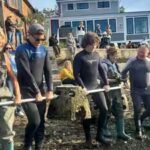



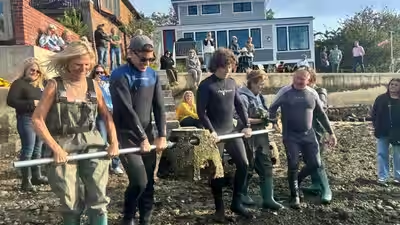
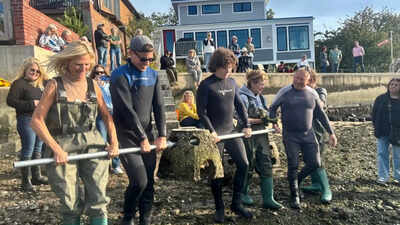
Volunteer efforts and years of research aimed at restoring the oyster population in the waters of Eastchester Bay have, after seven years, come to fruition. On October 9, 2026, volunteers with City Island Oyster Reef carried six concrete reef balls into the bay, near Delmour’s Point, marking the organisation’s first installation of permanent reef structures. According to the Bronx Times, through sustained research and planning near City Island, volunteers have now begun installing permanent artificial reef structures to encourage the return of native oyster populations.Each structure weighed approximately 175 pounds, or 79 kilograms, making the installation a huge undertaking for the volunteers and their families, who waded into the water to place them. The installation of the reef balls was therefore a memorial ceremony in itself.The organisation, which was founded in 2019, has spent much of this time studying the conditions around City Island to understand whether native oysters could survive and eventually establish a self-sustaining reef. Volunteers and researchers had been involved in monitoring water quality in the face of challenges posed by sewage and stormwater runoff. Underwater surveys were therefore conducted to examine the seabed and identify locations that could provide the right conditions and environment for oysters to attach themselves and grow.The reef balls themselves had been kept at Cornell Cooperative Extension’s marine hatchery in Southold since June 2026, where they were seeded twice with oyster larvae before being transported to City Island. The region where this project is taking place is also an informed choice, as the Bronx Times reports that Save the Sound’s 2026 beach ratings gave failing grades to several locations, including American Turners New York, White Cross Fishing Club and Trinity Danish Young People’s Society, because of concerns about bacterial contamination in the water.
Why prepare reef balls?
Reef balls offer a firm, submerged surface on which young oysters can settle and attach themselves, and as more oysters settle and develop, they begin forming clusters across the structures. Eventually, these oyster-covered structures can develop into living reefs that can provide shelter for other marine life, including fish, shrimp and crabs. According to the National Oceanic and Atmospheric Administration (NOAA), oyster reefs provide shelter and feeding grounds for a variety of aquatic species, including fish, crabs, shrimp and other invertebrates.Oysters are particularly important to coastal ecosystems because of the way they feed. Oysters are filter feeders, meaning they draw water through their bodies, removing algae and other organic particles in the process. As they filter suspended particles from the water, they can potentially improve water clarity, providing a foundation for other organisms to settle. A developing oyster reef can therefore support several interconnected forms of marine life, rather than simply increasing the number of oysters in a particular area.
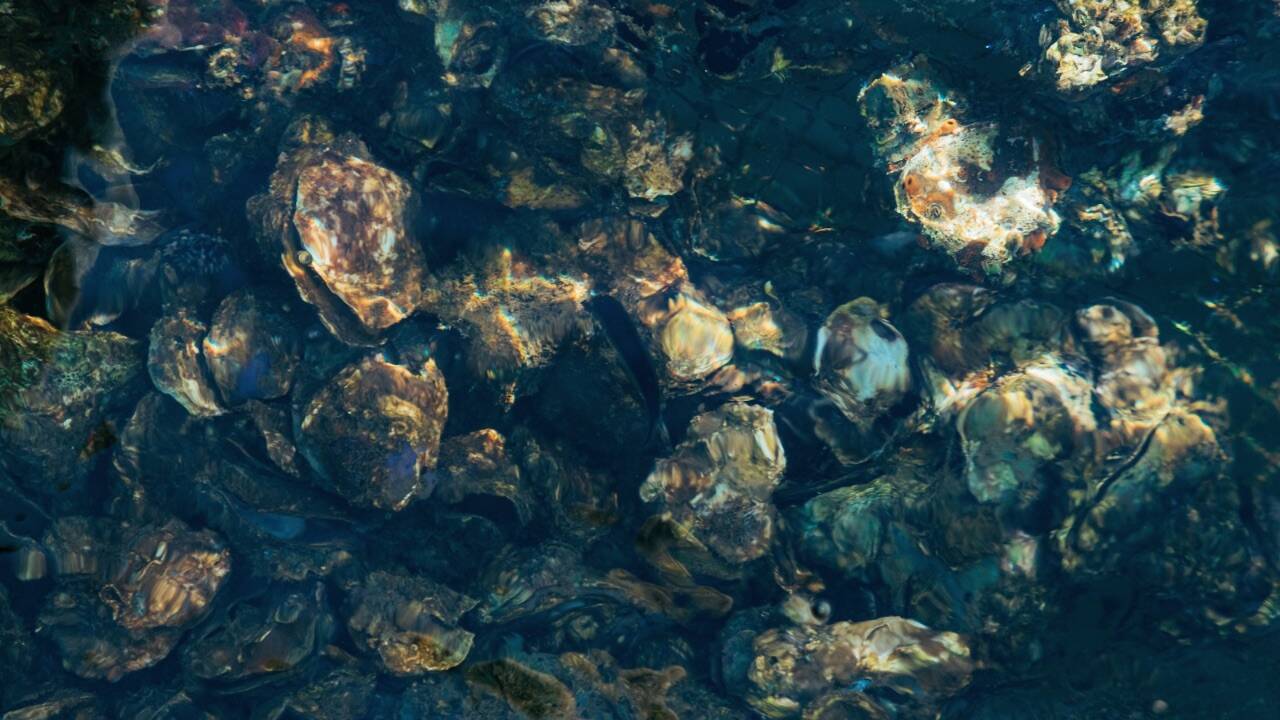
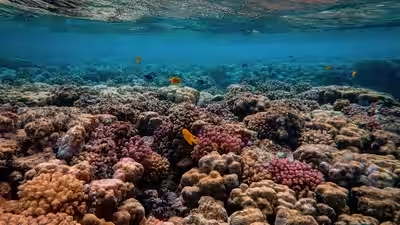
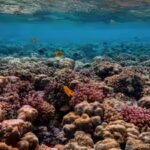
A representative image (credit: Canva)
While the presence of an oyster reef cannot independently eliminate sewage pollution or make contaminated water safe for swimming, it can, according to the report, contribute to restoring the marine habitat and filtering the surrounding water.
Monitoring the reef and its marine life
City Island Oyster Reef has already been involved in monitoring several sites around the island, studying oyster growth, survival and the presence of other marine organisms. Its research and monitoring work has documented more than 51 species, including fish, invertebrates and algae, around its oyster monitoring sites.
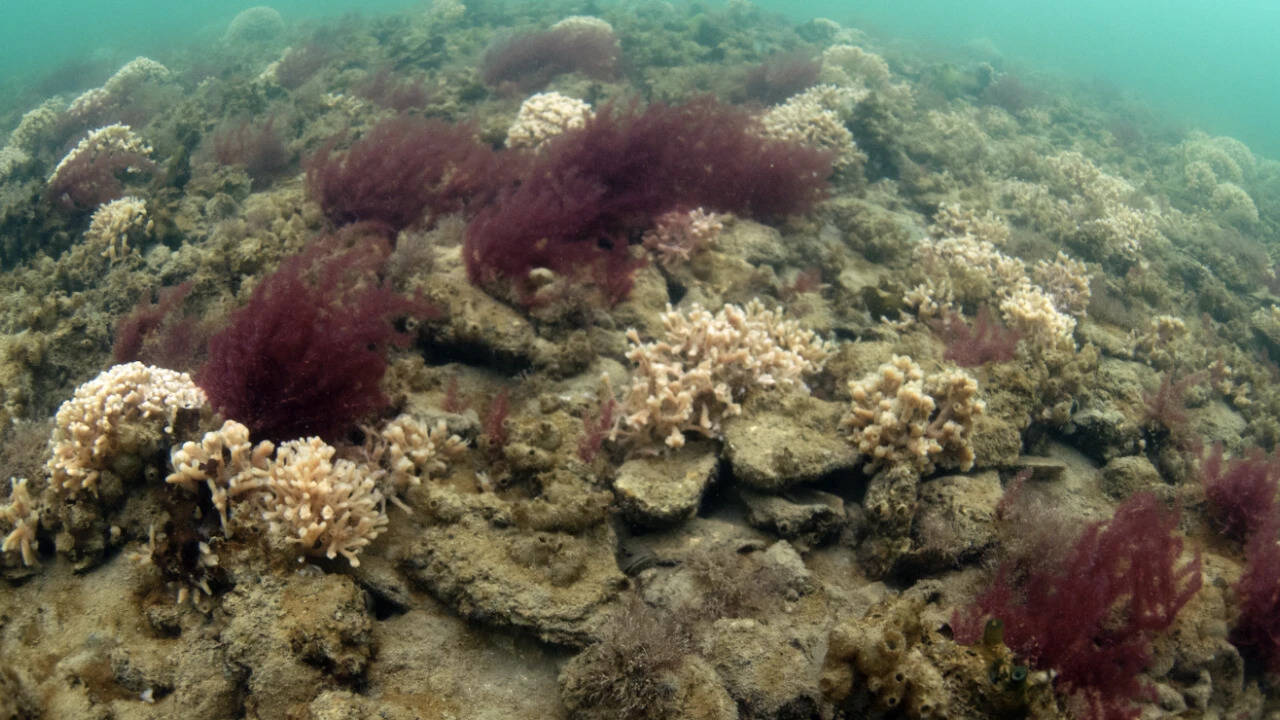
(Image credit: oysterrecovery.org)
The project, since its inception, has already witnessed significant achievements, with the organisation’s volunteer scuba diving team observing the presence of fish, crabs, shrimp and healthy oysters while inspecting the reef. Moreover, researchers have also counted oysters on two reef balls, comparing one with an open bottom against another with a closed bottom. The team also employed a technique called photogrammetry, which involves taking photographs from different angles to create detailed three-dimensional images.The October installation has also carried personal significance for the people who have taken part in bringing this project to life. The six reef balls were also placed in dedication to the memory of eight contributors who had supported the organisation’s efforts. Their names were engraved on identification tags, which were then attached to the structures. Family members and volunteers also gathered to mark this special occasion and pay tribute to those who have been unflagging in their efforts to restore an environmentally safe marine ecosystem that is now taking shape beneath the water.