





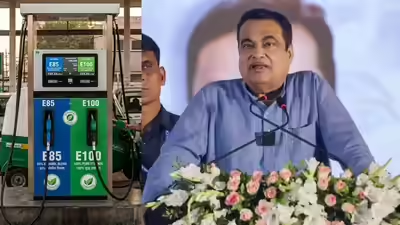
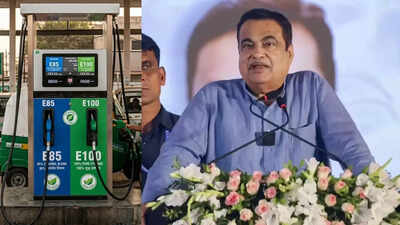
Union Minister for Road Transport and Highways Nitin Gadkari has made a strong statement on the future of mobility in India, saying that vehicles running on petrol and diesel have no long-term future. Speaking during an industry event recently, the minister urged the auto industry to accelerate its shift towards cleaner and alternative fuel technologies.Gadkari said that fossil fuels pose “serious problems” for the country, both in terms of rising import costs and environmental impact. He stressed that India must move towards more sustainable solutions such as biofuels, CNG, LNG and electric powertrains. According to him, this transition will also play a key role in strengthening public transport systems across the country.Highlighting ongoing efforts, the minister revealed that pilot projects for hydrogen-powered mobility are already underway. He said that hydrogen trucks and buses are currently being tested on 10 routes, with major manufacturers like Tata Motors, Volvo, Ashok Leyland and Mahindra & Mahindra involved in these trials. He described hydrogen as a “fuel of the future”, indicating the government’s long-term focus on this technology.
The minister also underlined the importance of ethanol as an alternative fuel, pointing out that India has the capability to produce ethanol from multiple feedstocks. He noted that the industry is already working on flex-fuel engines, while vehicles across the country continue to operate on E20 fuel.Alongside the push for cleaner mobility, Gadkari raised concerns about safety standards in public transport. He announced that bus registrations will now require uploading details on the Vahan portal along with physical and video approvals, replacing the earlier self-certification system. He called on manufacturers to prioritise quality, safety and passenger comfort rather than focusing only on cost.The minister also highlighted the growing demand in the bus segment. India currently manufactures around 70,000 buses annually, but demand for electric buses alone is expected to reach 1.5 lakh units over the next three years.