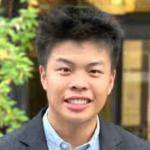


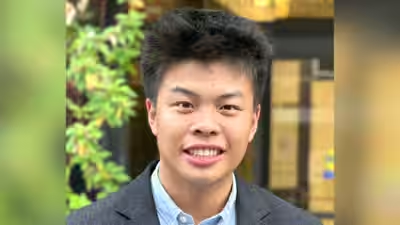
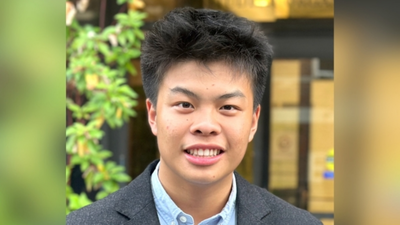
What if food scraps usually thrown into the bin could help restore damaged ecosystems? In New Jersey, 16-year-old Leo Toake is exploring that possibility by turning discarded potato peels and coffee grounds into an alternative herbicide designed to control invasive plants. Through his nonprofit, Re:Imagine Inc., he has combined scientific experimentation with community-led restoration, bringing young volunteers together to protect local green spaces and encourage the growth of native species.Toake’s work received national recognition through the Gloria Barron Prize for Young Heroes, which recognised Toake as a 2026 runner-up and highlighted his environmental initiative. According to the Barron Prize’s profile, his experimental product, called S.A.F.E., achieved an 82.5% inhibition rate against invasive Japanese stilt grass in preliminary trials. Alongside developing the product, Toake and more than 70 volunteers have restored 15 acres in northern New Jersey, removed over two tons of invasive plant material and planted more than 100 keystone species.
Turning food waste into an alternative herbicide
Toake co-founded Re:Imagine Inc. to address two environmental problems together: the growing amount of food waste sent to landfills and the spread of invasive plant species that threaten native biodiversity. The organisation collects compostable food scraps, including potato peels and coffee grounds, and processes them into S.A.F.E., a low-cost herbicide intended to suppress invasive vegetation as an alternative to conventional weedkillers.According to the Barron Prize profile, the product achieved an 82.5% inhibition rate against Japanese stilt grass during preliminary testing. The results suggest that discarded food materials could have a potential use in managing unwanted vegetation, although further testing would be needed to establish its effectiveness and environmental safety under different field conditions.The initiative has also diverted more than 500 pounds of food waste from landfills into its production process. By finding another use for these materials, Re:Imagine Inc. aims to reduce waste while developing an alternative approach to invasive plant management.
How Re:Imagine Inc. began building a community project
The organisation’s work extends beyond developing a product. Toake has focused on involving students, volunteers, local businesses and nature centres in practical environmental restoration. An earlier report by RLS Media, published on July 10, 2025, identified Toake alongside fellow Bergen County Academies students Muhammad El-Sherbiny, Elle Kim and Justin Ahn as co-founders of Re:Imagine Inc. The four students received third prize and a $2,500 award in the Bill of Rights Institute’s MyImpact Challenge for their initiative.The competition attracted more than 400 participants from across the United States. The students’ project focused on restoring parks, forests and green spaces while addressing invasive vegetation and food waste. At that stage, the team had planted over 100 native keystone species and organised 12 trail cleanups to address erosion and littering. The project also involved partnerships with local businesses, volunteers and nature centres to collect compostable materials.
Restoring 15 acres with volunteers
As the project developed, Re:Imagine Inc. expanded its activities from experimentation to hands-on habitat restoration. According to the Barron Prize’s 2026 profile, Toake and more than 70 volunteers have worked across 15 acres in northern New Jersey. Their activities have included removing more than two tons of invasive plant biomass, planting over 100 keystone species, repairing erosion damage and maintaining public trails.The restoration work is intended to help native biodiversity recover by reducing the spread of invasive vegetation and creating better conditions for indigenous plants. The volunteers have also helped maintain public green spaces, giving community members opportunities to participate directly in conservation.The project demonstrates how environmental restoration can involve more than developing a scientific solution. Collecting waste, preparing materials, removing invasive plants and maintaining restored areas all require sustained participation from the community.
Recognition through the Gloria Barron Prize
Toake’s work was featured among the runners-up in the 2026 Gloria Barron Prize for Young Heroes. The award recognises young people across the United States and Canada who have made a positive difference to their communities or the environment. The Barron Prize profile highlighted his efforts to connect scientific research with community service. It also described how Re:Imagine Inc. aims to build a lasting culture of environmental responsibility rather than treating restoration as a one-time activity. Reflecting on the project’s development, Toake said his initial effort to restore land had evolved into something more enduring, centred on encouraging people to see themselves as responsible for the environment.Through Re:Imagine Inc., Toake is showing how an idea involving everyday food waste can grow into a wider conservation effort. His initiative brings together scientific experimentation, volunteer participation and habitat restoration, while encouraging other young people to take an active role in protecting local ecosystems.