







For many Indian households, hair oiling is almost a ritual. Mothers have been doing it for years. Grandmothers swear by it. Coconut oil, almond oil, mustard oil and all kinds of herbal hair oils have found a permanent place on bathroom shelves.
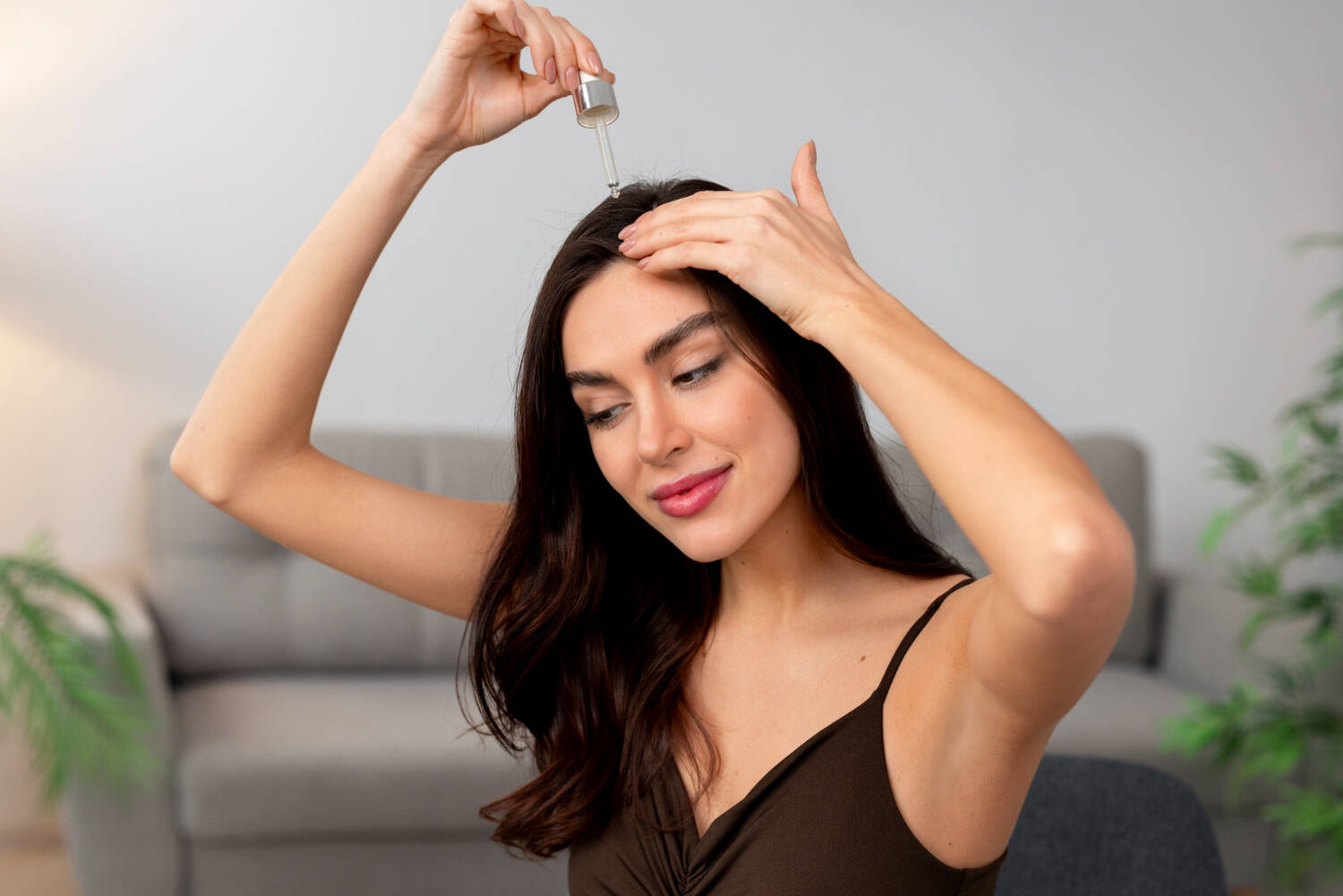
Hair oil supports scalp health, reduces dryness, and helps protect hair from breakage.
But there’s one habit that often gets overlooked: when exactly should you oil your hair?If you shampoo your hair and then immediately apply oil every single time, you might be wondering whether you’re actually helping your hair or simply making it greasy again.The answer depends on your hair type, scalp and the kind of oil you’re using.And no, oiling after every wash isn’t automatically good or bad.
Your hair may feel softer and look shinier
The most obvious change is also the one you’ll probably notice first.A small amount of oil can make hair look smoother and shinier. It can also help reduce the rough, dry feeling that some people experience after shampooing.This is particularly noticeable if your hair is naturally dry, thick, curly or frequently exposed to heat styling.Certain oils can also help protect the hair shaft. A study published in the Journal of Cosmetic Science found that coconut oil was particularly effective among the oils tested at reducing protein loss from damaged and undamaged hair when used as a pre-wash and post-wash grooming product.So, there is some science behind the traditional Indian love for coconut oil.But that doesn’t mean more oil automatically means healthier hair.
Your scalp could become greasy very quickly
This is where things get tricky.If you have an oily scalp, putting oil directly on it after every shampoo may leave you feeling greasy within a day or two.And if you’re someone who already shampoos frequently because of sweat, pollution or an oily scalp – something many people in Indian cities deal with – adding another layer of oil immediately after washing may not be particularly useful.Dermatologists generally recommend washing according to how quickly your scalp becomes dirty or oily rather than following one fixed schedule. People with oily scalps may need to shampoo more frequently, while those with dry, curly or thick hair may need to wash less often.So if your scalp starts looking flat and oily soon after every wash, the problem may not be your shampoo. It could simply be that you’re applying too much oil.
It can make fine hair look flat
If you have thin or fine hair, you probably know this already.A little too much oil can take away whatever volume you had after washing. Instead of looking soft and healthy, your hair may look limp, heavy and greasy.This is especially true if you apply oil from the roots all the way to the ends.You don’t necessarily need to coat your entire head every time.For fine hair, a tiny amount worked through the mid-lengths and ends may be enough if the goal is simply to control dryness or frizz.
Oiling your scalp isn’t the same as moisturising your hair
This is one of the biggest misconceptions around hair oiling.Your scalp and your hair lengths have different needs.The scalp is living skin. The hair shaft is made up of keratin and is essentially non-living tissue. So covering your scalp in oil isn’t the same thing as “feeding” your hair.In fact, if your scalp is already oily or prone to dandruff, frequent oiling may not be the best idea.The American Academy of Dermatology notes that dandruff can have several causes, including oily skin and hair-care habits, and recommends regular washing as part of managing mild dandruff.If you’re dealing with persistent flakes, itching or irritation, simply adding more oil isn’t necessarily the answer.
There’s also the issue of product build-up
Imagine this routine:Shampoo. Oil. Shampoo. Oil. Shampoo. Oil.Over time, you’re repeatedly putting products on your scalp and hair and then trying to wash them off.If the oil isn’t being properly removed, your hair can start feeling coated or heavy.This is especially likely if you use thick oils or combine oiling with serums, styling creams, dry shampoo and other products.That doesn’t mean oil is damaging your hair. It simply means your routine needs to match your hair type.Dermatologists recommend applying shampoo mainly to the scalp, where it removes oil, dead skin and product build-up, rather than aggressively rubbing shampoo through the entire length of the hair.
What about hair fall?
This is where people often expect too much from oil.Oiling your hair after every shampoo won’t automatically stop hair fall or make new hair grow.Hair fall can have many causes, including genetics, hormonal changes, nutritional problems, illness and scalp conditions. Hair care can help reduce breakage, but it doesn’t fix every type of hair loss.And sometimes what looks like “hair fall” is actually hair breakage.If your hair is dry, tangled or frequently exposed to heat, gentle conditioning and better handling can reduce breakage. Dermatologists recommend using conditioner after shampooing because it helps moisturise and detangle the hair, making it easier to manage.So don’t expect a bottle of coconut oil to solve a problem that may actually need medical attention.
Should you oil before shampooing instead?
For many people, this may be the more practical option.Pre-shampoo oiling has long been part of Indian hair-care routines, and coconut oil has some evidence supporting its ability to reduce protein loss from hair.You can apply a small amount to the hair, leave it for a reasonable period and then shampoo it out.You don’t have to soak your hair until it’s dripping.And you don’t necessarily need to leave oil overnight either. If overnight oiling makes your scalp itchy, uncomfortable or extremely greasy, there’s no reason to force yourself to do it simply because it’s a traditional practice.
What should you do after shampooing?
For most people, conditioner makes more sense as the immediate post-shampoo step.The American Academy of Dermatology recommends using conditioner after washing. For fine or straight hair, conditioner can generally be focused on the ends, while people with dry or curly hair may benefit from conditioning more of the length.If your hair is very dry, frizzy or damaged, you can also consider a leave-in conditioner.Dermatologists say leave-in conditioners can make hair easier to comb and help reduce frizz and breakage. They recommend applying them mainly from the mid-lengths to the ends rather than directly onto the scalp, where they can contribute to build-up.And if you still want to use oil, you can use a very small amount on the ends once your hair is dry.
So, should you stop oiling after every shampoo?
Not necessarily.If your hair feels good, your scalp isn’t getting greasy or irritated, and you’re using a small amount of oil, there’s no universal rule saying you must stop.But if you’re noticing greasy roots, flat hair, itching, flakes or build-up, oiling after every wash may be more than your scalp needs.For an Indian hair-care routine, a simple approach can work well: shampoo according to your scalp’s needs, condition the lengths, use oil when your hair benefits from it, and don’t assume that more product means better hair.And if you’re experiencing sudden or persistent hair loss, significant thinning, scalp pain or ongoing itching and flaking, it’s worth seeing a dermatologist rather than trying to fix everything with another round of oil.Sometimes the best hair-care routine is actually the one that does a little less.