




In the early 1990s, German educators and pediatricians introduced what became known as the Spielzeugfreier Kindergarten, or “Toy-Free Kindergarten.” The initiative asked preschools to temporarily remove conventional toys and allow children to create their own games using open spaces and ordinary materials.
According to reports from participating schools, the first few days were difficult. Many children complained of boredom, arguments became more common and teachers had to resist the urge to step in.
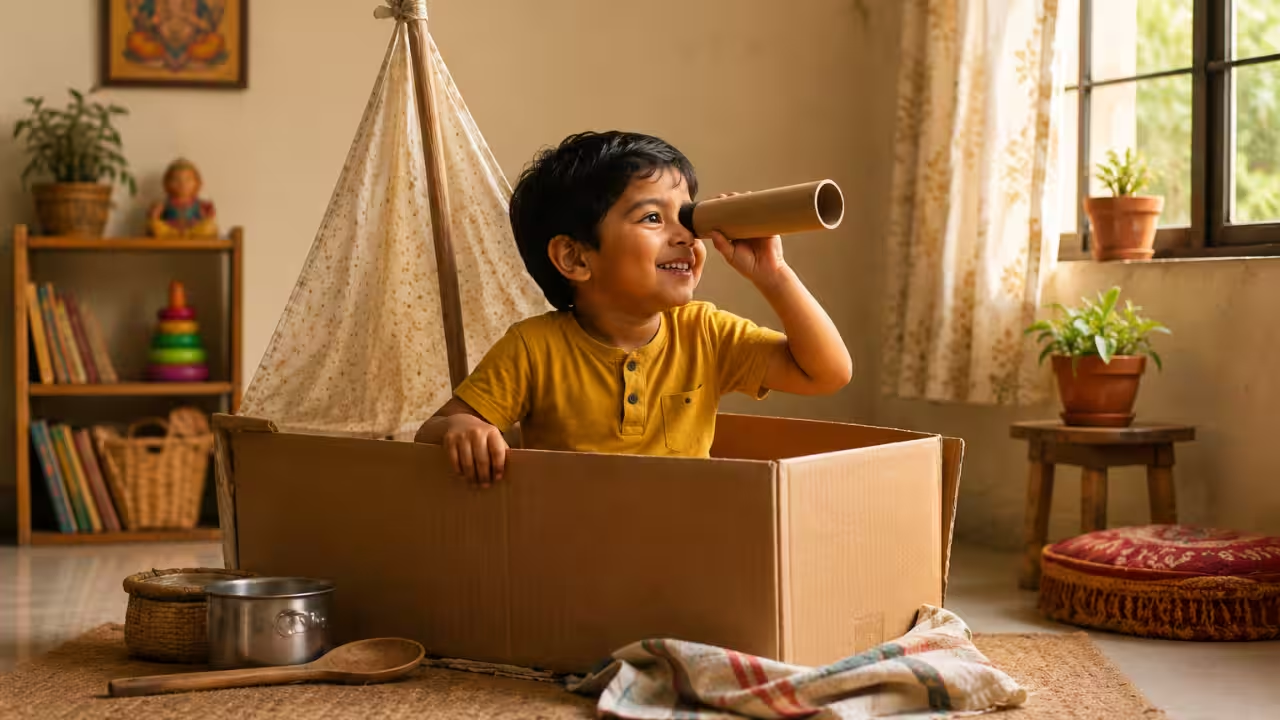
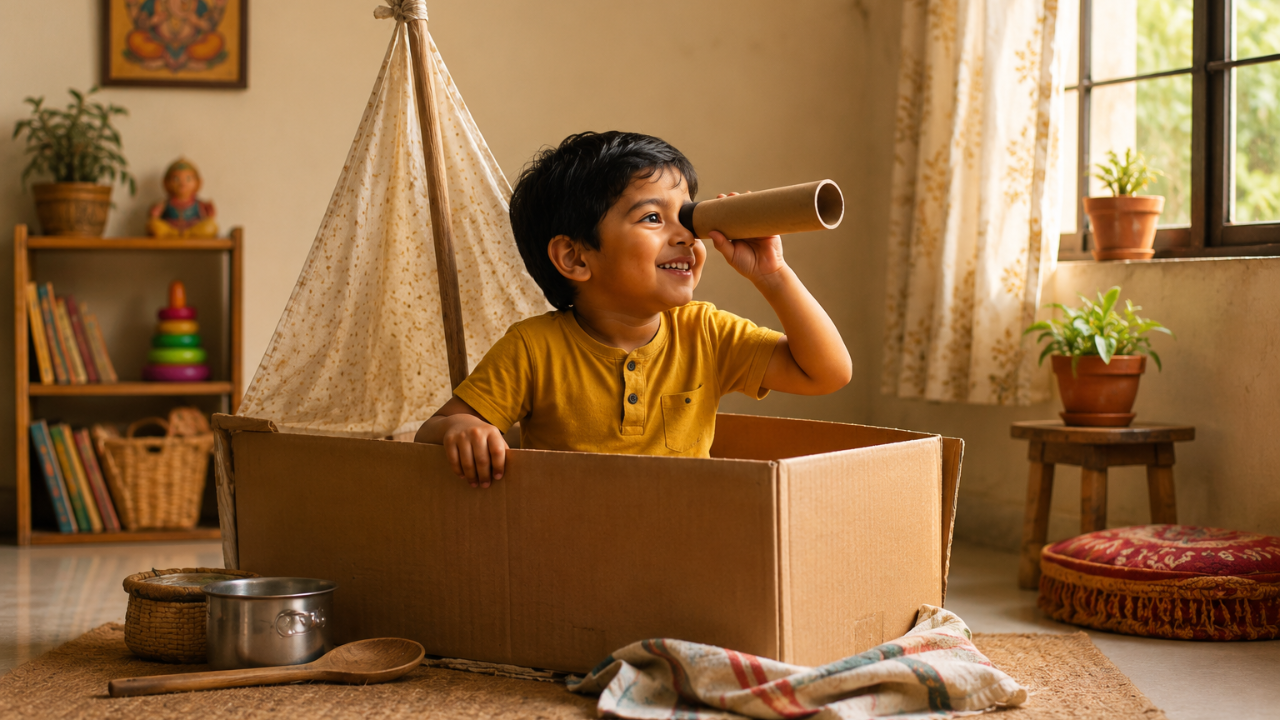
Gradually, however, something began to change. Children started inventing elaborate imaginary worlds. Chairs became trains and pirate ships. Blankets turned into caves, castles and secret hideouts. Instead of relying on ready-made toys, they relied on one another. Teachers also observed more conversations, negotiation during conflicts and collaborative storytelling.