





At first glance, fresh produce seems like the obvious winner. It looks brighter, sounds more natural and carries the kind of supermarket halo that makes it feel healthier by default. Frozen produce, by contrast, still fights an image problem. People often picture it as something processed, old or somehow lesser. But the truth is far less dramatic. In many cases, frozen fruits and vegetables can be just as nutritious as fresh, and sometimes even better. Scroll down to know more…
Why freshness is not always what it seems
The reason is timing. Fresh produce does not begin and end its life on the shelf. By the time it is picked, packed, transported, stored and finally bought, it may already have lost part of its nutritional value. That is especially true when it has travelled long distances or sat in a kitchen for several days before being eaten. Some vitamins, particularly vitamin C and certain B vitamins, are sensitive to heat, light and air, which means freshness can fade faster than people think.
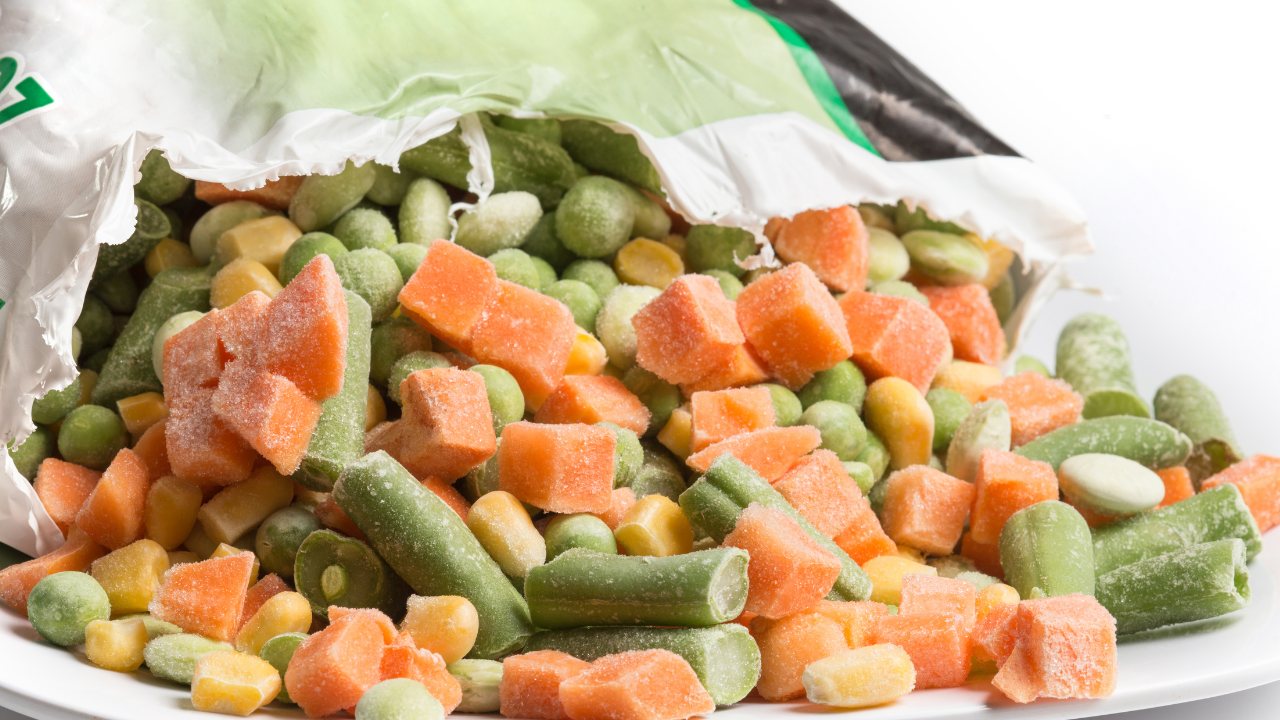
Frozen produce is usually harvested at peak ripeness and then quickly blanched and frozen. That process helps lock in nutrients at the moment they are at their best. In other words, the spinach, peas, berries or corn in the freezer aisle may have been preserved sooner after picking than the fresh version in your fridge, which could already be days or even weeks old.
Where fresh produce still shines
That does not mean fresh is overrated. Fresh fruits and vegetables can be excellent, especially when they are in season, locally grown and eaten soon after purchase. A ripe tomato in summer, a crisp apple straight from the farm or leafy greens used quickly can deliver outstanding flavour and nutrition.Fresh produce also tends to win on texture. It is harder to beat the crunch of a carrot, the snap of green beans or the juiciness of a mango at its peak.
The convenience advantage of frozen foods
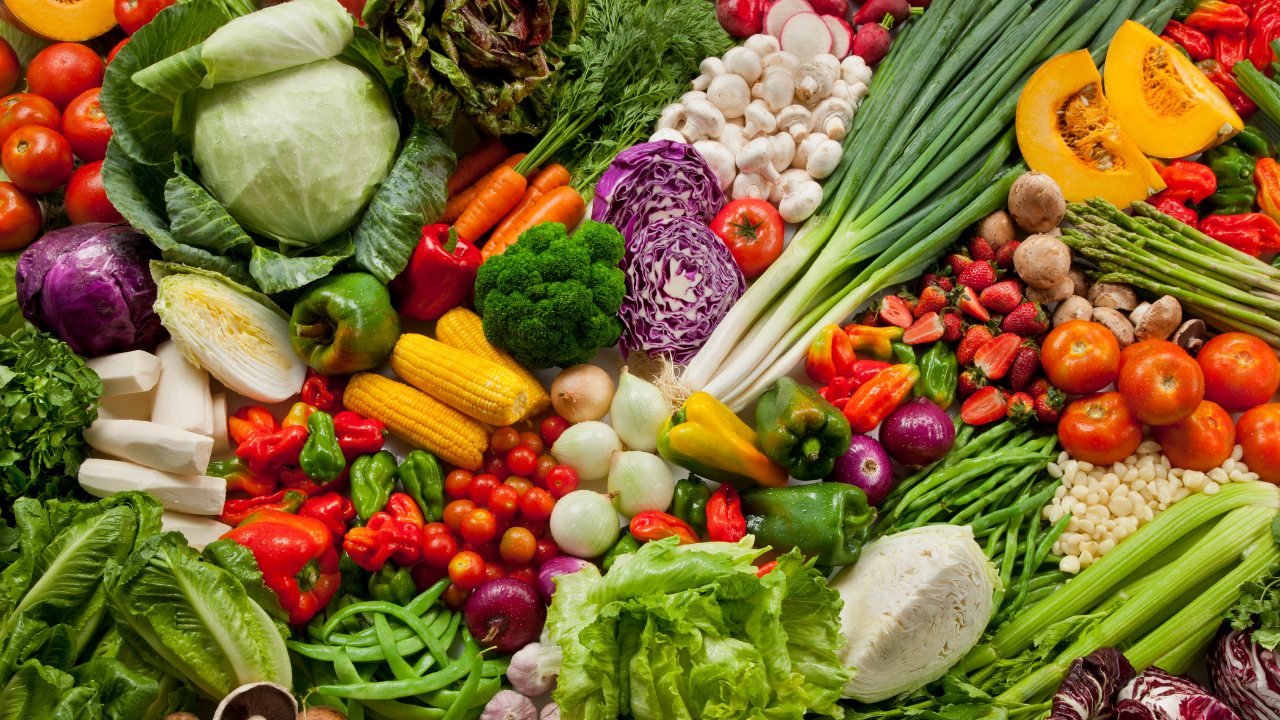
Still, the healthiest option is often the one you will actually eat. This is where frozen produce quietly earns its place. It lasts longer, cuts down on waste and makes it easier to keep nutritious food on hand. For busy households, it can be the difference between making a vegetable curry or reaching for packaged snacks because nothing fresh survived the week.
Not all frozen foods are equal
There is one important catch: not all frozen foods are created equal. Plain frozen fruits and vegetables are the real deal. But frozen items with added sugar, salt, sauces or coatings are a different story. A bag of plain berries is a smart choice. A frozen dessert mix that tastes like berries but comes loaded with syrup is not the same thing. The label matters.
Cooking can make a difference too
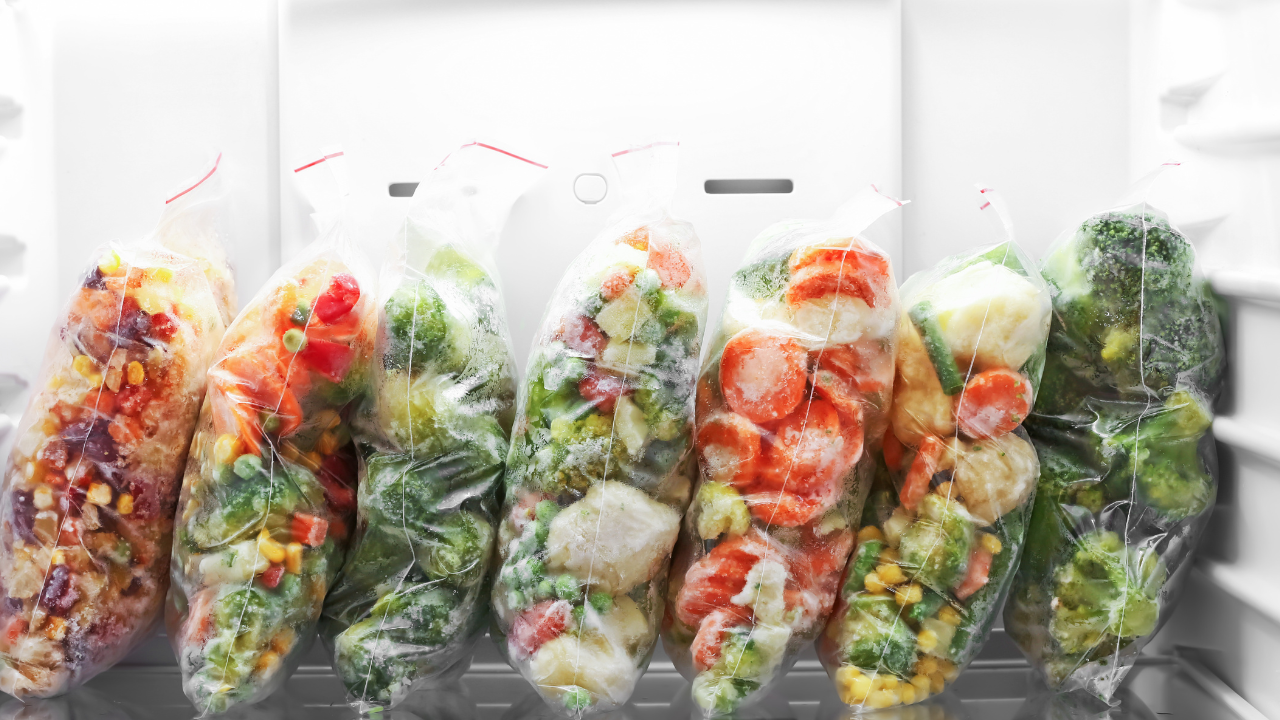
Cooking method matters too. Whether produce is fresh or frozen, it can lose nutrients if overcooked. Boiling vegetables for too long can drain away water-soluble vitamins, while steaming, roasting or quick sautéing usually preserves more. Frozen vegetables often cook straight from the freezer, which makes them practical and efficient, not second-rate.
So which one should you choose?
The most honest answer is that both can be. Fresh produce may have the edge when it is very fresh and eaten quickly. Frozen produce may have the edge when fresh food has travelled far, sat too long or gone soft in the fridge.In real life, the better choice is often not about a perfect hierarchy. It is about access, convenience, seasonality and what helps you eat more fruits and vegetables consistently.And that is the key point. Health does not depend on whether your blueberries came from the freezer or the farm stand. It depends on whether they ended up on your plate at all. For most people, the smartest kitchen is one that uses both. Fresh for flavour and variety, frozen for reliability and less waste. That is not a compromise. It is a practical way to eat well all year round.